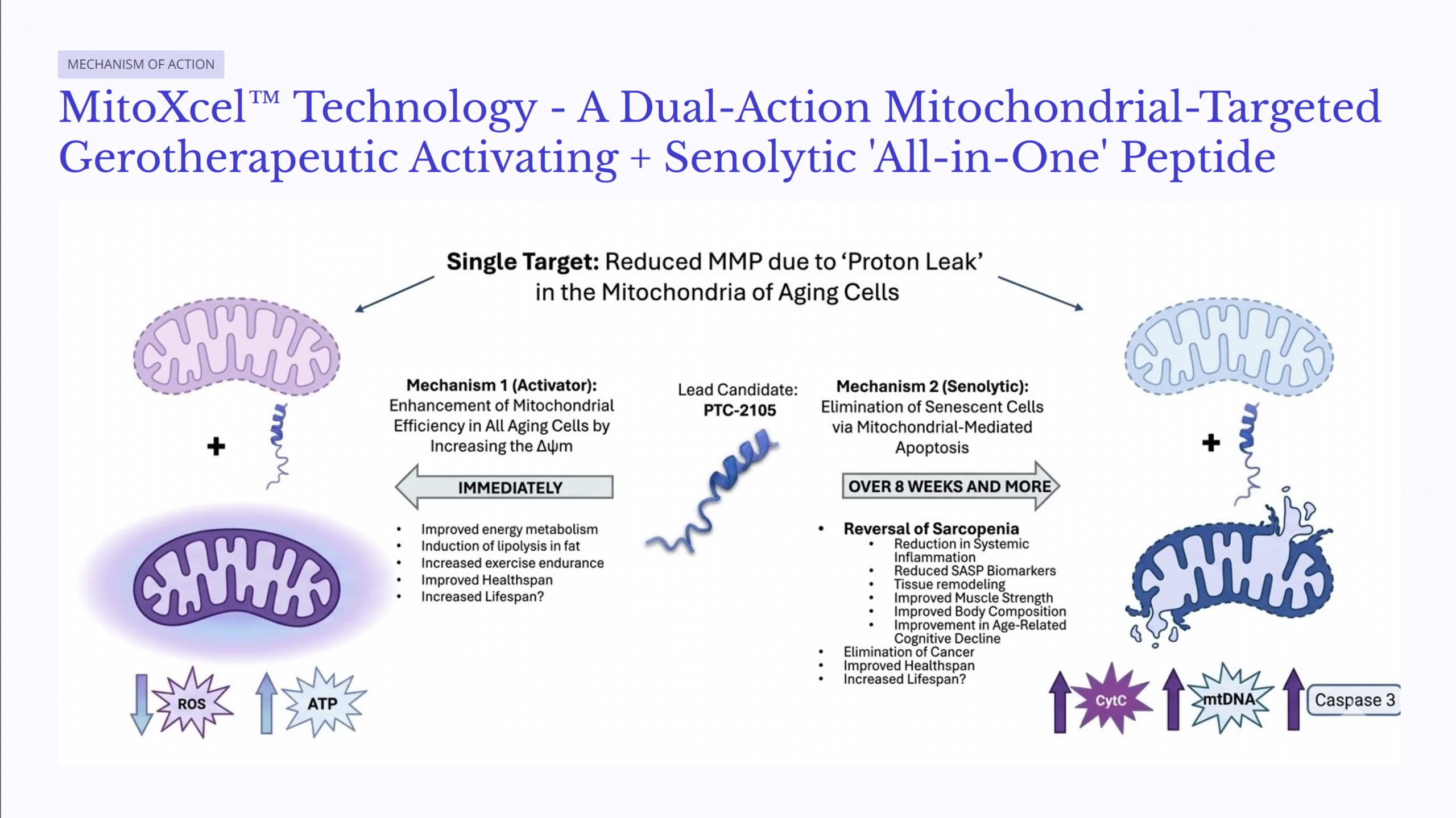
Enhancement of Mitochondrial Efficiency in Aging Cells by Increasing the Δψm
Mechanism 1
- Enhance the efficiency of the mitochondria, increasing the proportion of potential energy in the MMP (ΔΨm) that is converted to ATP.
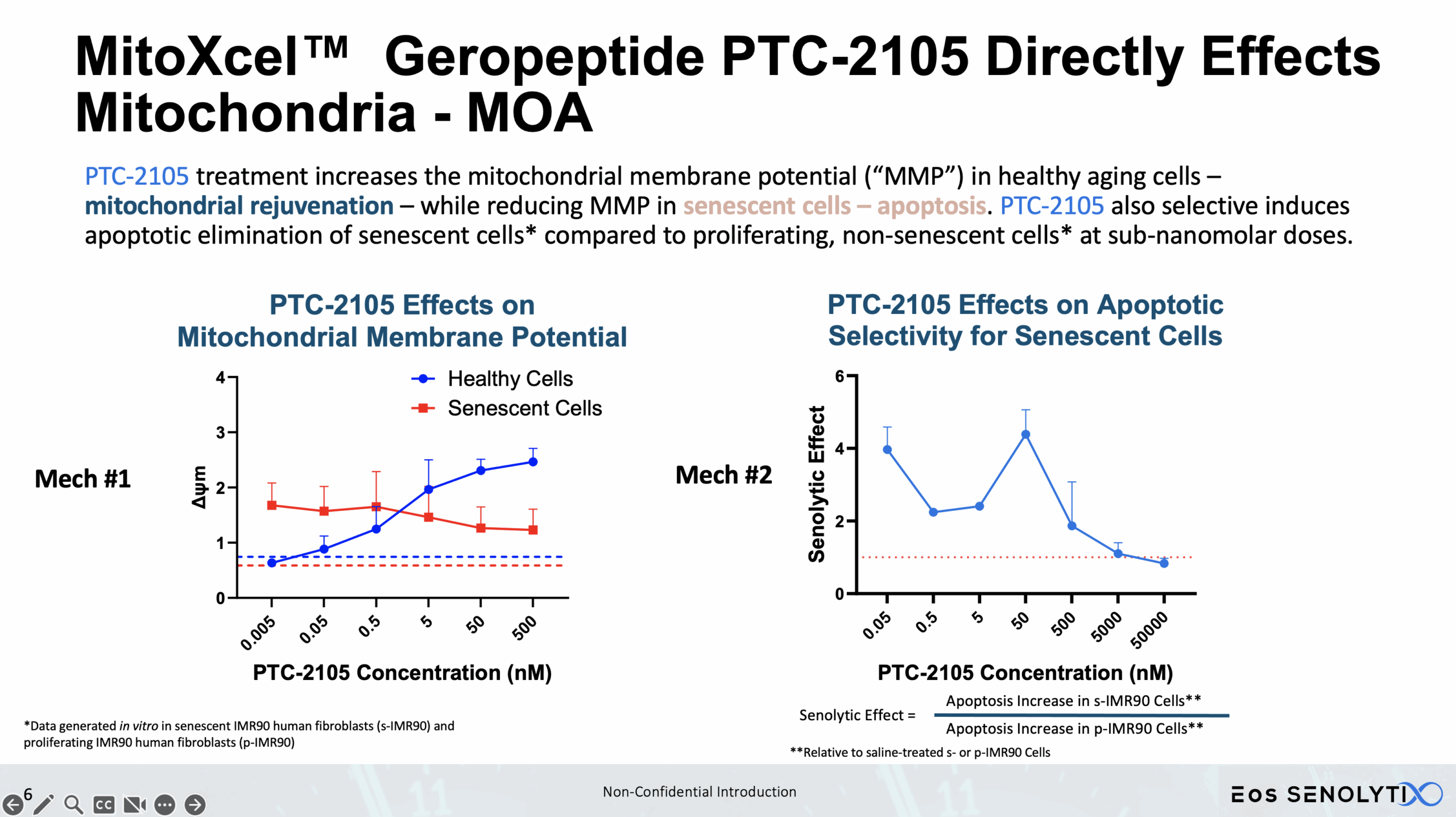
- Unlike Mechanism 2, which takes 8 weeks or greater to observe, Mechanism 1 can be observed, for example in IMR90 fibroblasts in vitro, within 24 hours of exposure to our MitoXcel™ geropeptides, using a Seahorse Analysis to evaluate mitochondrial function, which shows a decrease in proton leak, an increase in ATP production and an increase in coupling efficiency.
Elimination of Senescent Cells via Mitochondrial-Mediated Apoptosis
Mechanism 2
- Senescent cells have less capacity to maintain Mitochondrial Membrane Potential (MMP) compared with normal dividing cells.
- Exposes them to prolonged mitochondrial transition pore opening.
- Co-localization staining studies of Cytochrome C in mitochondria (TOM20) in proliferating and senescent IMR90 cells in vitro indicate:
- Dose-dependent decrease in co-localization in senescent IMR90 cells treated with PTC-2105, but only at much higher concentrations in proliferating IMR90 cells
- This indicates an increased release of Cytochrome C into the cytosol, which initiates apoptosis via the Caspase pathway in senescent cells treated with PTC-2105
- Our data suggests that this takes at least 8 weeks or greater of therapy to observe in vivo.
Cancer
- Cancer cells also have less capacity to maintain MMP compared with normal cells and are thus exposed to prolonged mPTP opening and, possibly, to minority MOMP, suggesting MMP as a selective functional target for cancer cells (via Mechanism 1)
- MitoXcel™ geropeptide PTC-2107 (Eos SENOLYTIX) alone and oncopeptide PTC-2110 (Perseus SENOLYTIX), alone and in combination with Venetoclax, significantly improve overall survival in an aggressive B cell Acute Lymphoblastic Leukemia (“B-ALL”) in vivo tumor model.
- MitoXcel™ Technology marks a potentially safe and effective new class of cancer therapeutics
By attacking aging via two pathways, both via a single age-specific target, the lower MMP that develops in the mitochondria as we, and all living organisms, age, MitoXcel™ Technology addresses the fundamental “causes” of both aging and cancer.
Explore the Evidence
Jump to the pre-clinical data behind the MitoXcel™ platform.
MitoXcel™ Geropeptides Act on Aging-Specific Targets
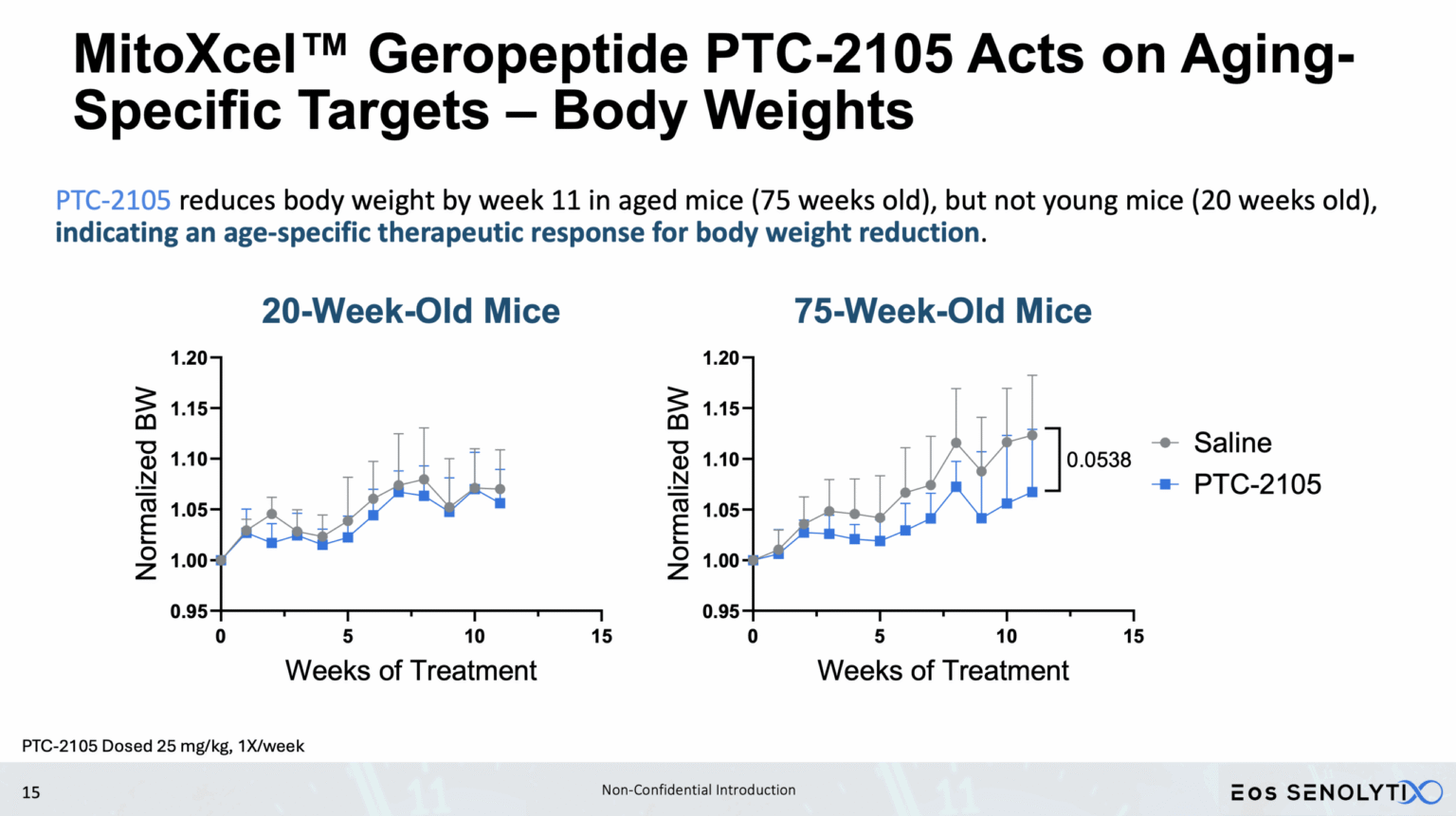
Eos’s MitoXcel™ geropeptide PTC-2105 was evaluated in young mice (20 weeks; “20W”) and in naturally aged old mice (75 weeks; “75W”) for effects on body weight, body composition and exercise endurance.
Body weight. PTC-2105 reduces body weight by week 10 in aged mice (75 weeks old), but not young mice (20 weeks old), indicating an age-specific therapeutic response for body weight reduction.
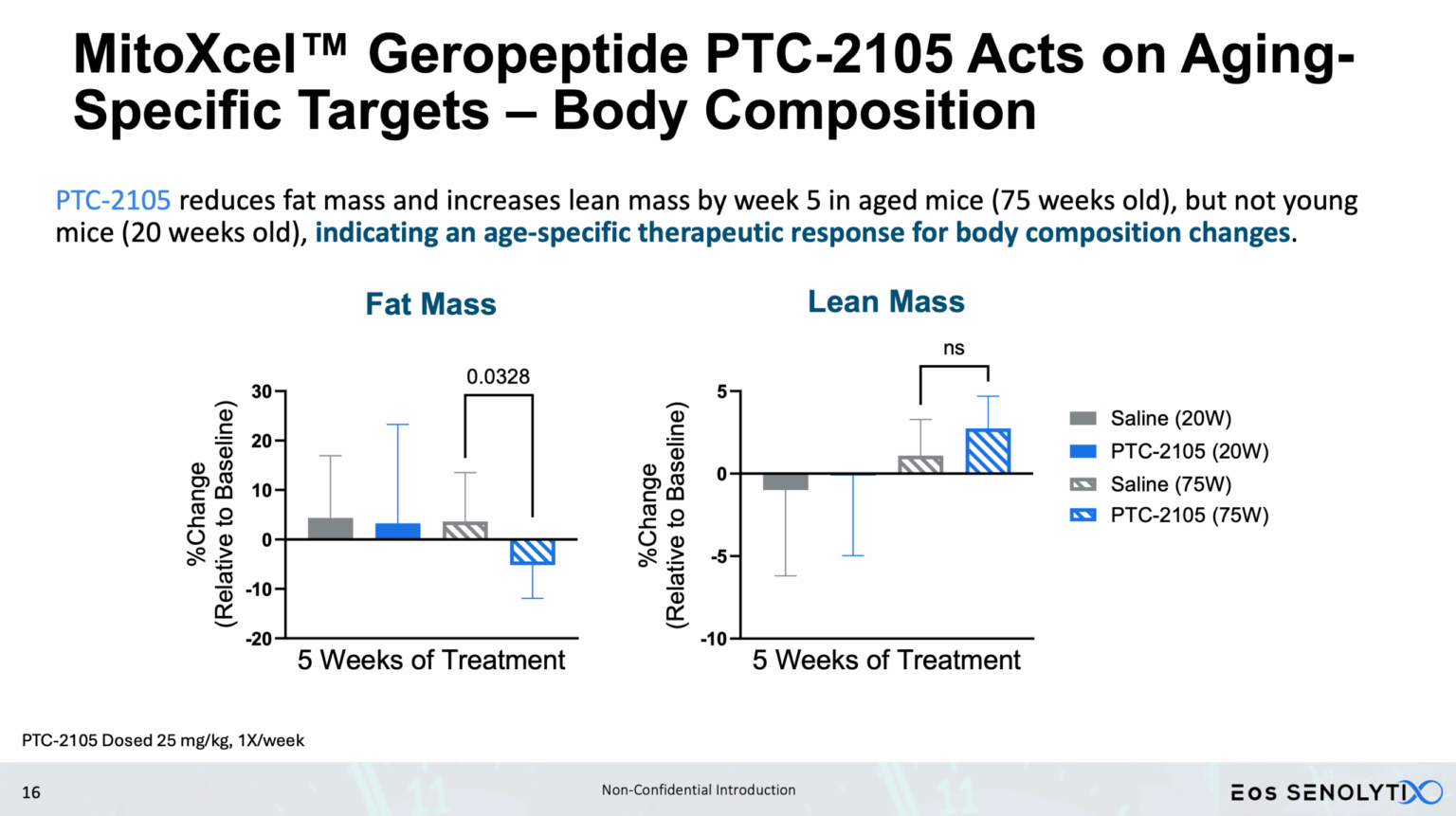
Body composition. PTC-2105 reduces fat mass and increases lean mass by week 5 in aged mice (75 weeks old), but not young mice (20 weeks old), indicating an age-specific therapeutic response for body composition changes.
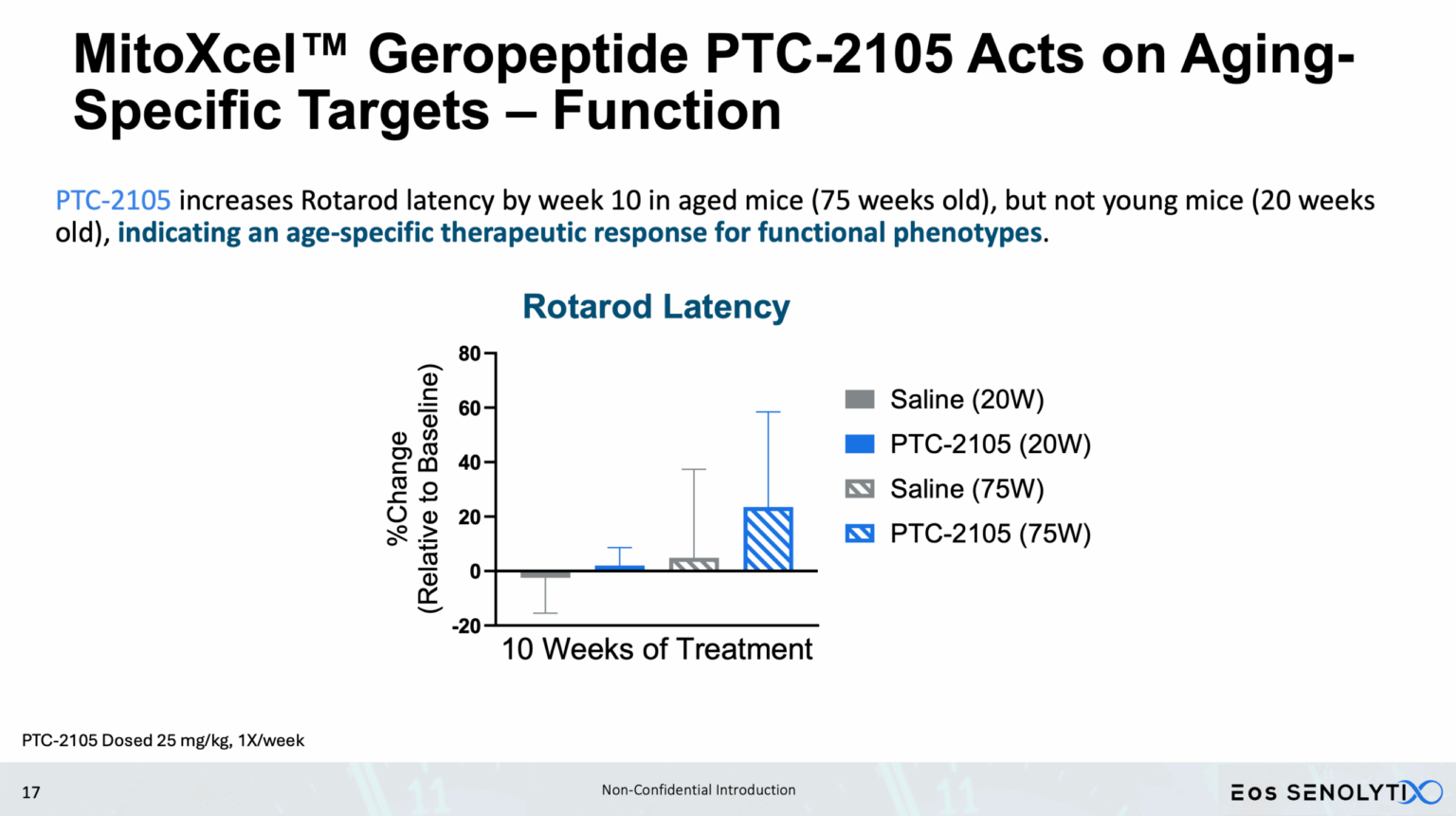
Function. PTC-2105 increases Rotarod latency by week 10 in aged mice (75 weeks old), but not young mice (20 weeks old), indicating an age-specific therapeutic response for functional phenotypes.
MitoXcel™ Geropeptides Lead to Elimination of Senescent Cells via Mechanism 2
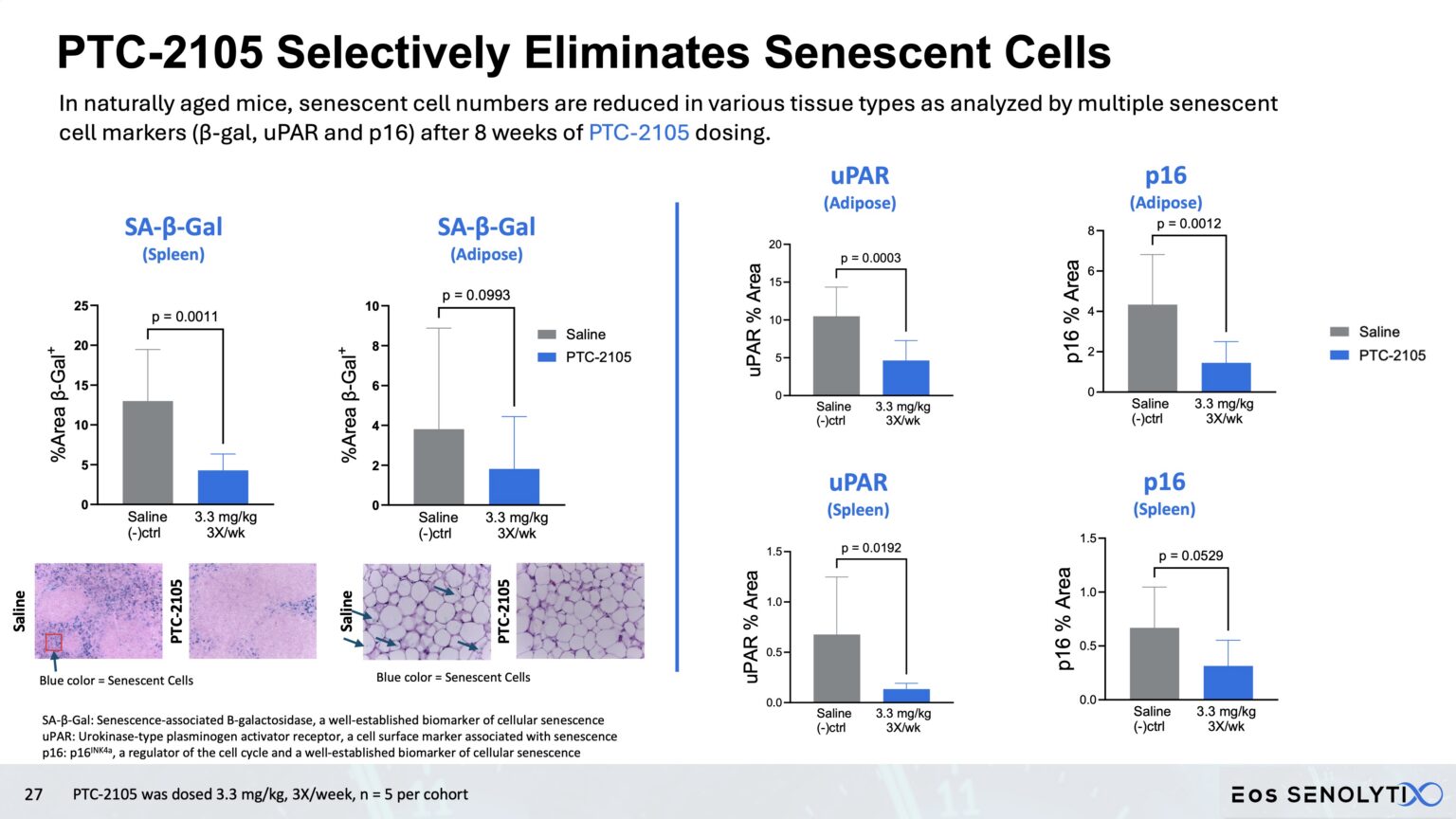
Eos’s MitoXcel™ geropeptide PTC-2105 selectively eliminates 60-80% of senescent cells in all organs of the body, including the brain, after 8 weeks or more of dosing.
- PTC-2105 (SC injections 3.3 mg/kg, 3X/week, n = 5 per cohort) was dosed in 75-week-old naturally aged mice for 8 weeks
- Senescent cell numbers are significantly and profoundly reduced in almost all organs and tissue types as analyzed by multiple senescent cell markers (β-gal, uPAR and p16)
- SA-β-Gal: Senescence-associated B-galactosidase, a well-established biomarker of cellular senescence
- uPAR: Urokinase-type plasminogen activator receptor, a cell surface marker associated with senescence
- p16: p16INK4a, a regulator of the cell cycle and a well-established biomarker of cellular senescence
Reduction in Systemic Inflammation
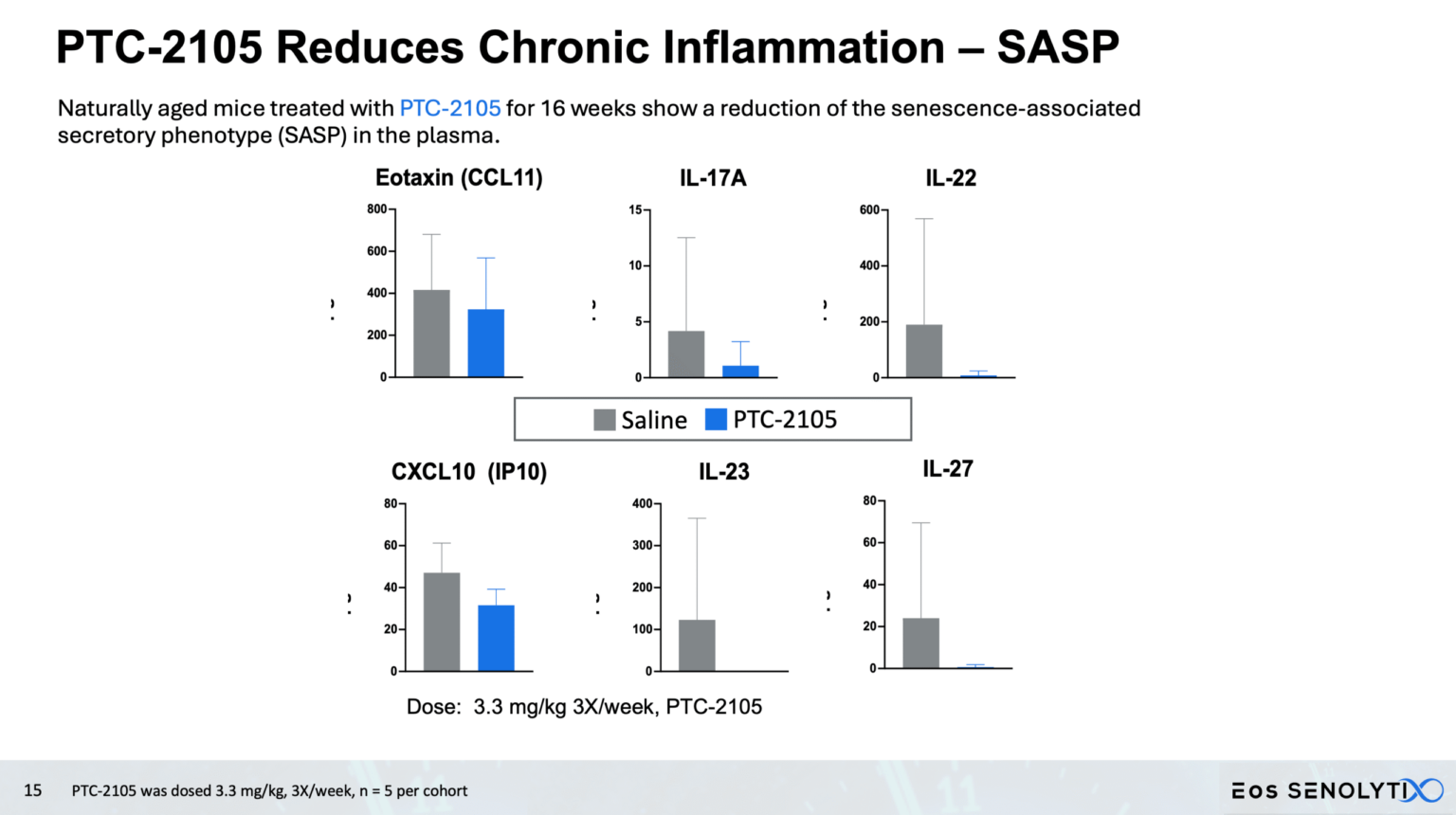
Consistent with the widespread elimination of senescent cells, PTC-2105 reduced plasma levels of key SASP factors after 16 weeks of treatment compared to saline negative controls.
- PTC-2105’s reduction of senescent cells, which secrete the highly inflammatory Senescence Associated Secretory Factors (“SASP”) responsible for systemic “inflammaging”, reduced plasma levels of key SASP factors after 16 weeks of treatment compared to saline negative controls
- PTC-2105 (SC injections 3.3 mg/kg, 3X/week, n = 5 per cohort), was dosed in 75-week-old naturally aged mice for 16 weeks
- Plasma levels of key SASP factors were reduced, including CCL11, CCL10, IL-17A, IL-22, IL-32, IL-27 compared to pre-treatment levels
- PTC-2105 is now given SC once weekly with similar results
PTC-2105 Rejuvenates the Aging Immune System by Reducing p16+ T Cells
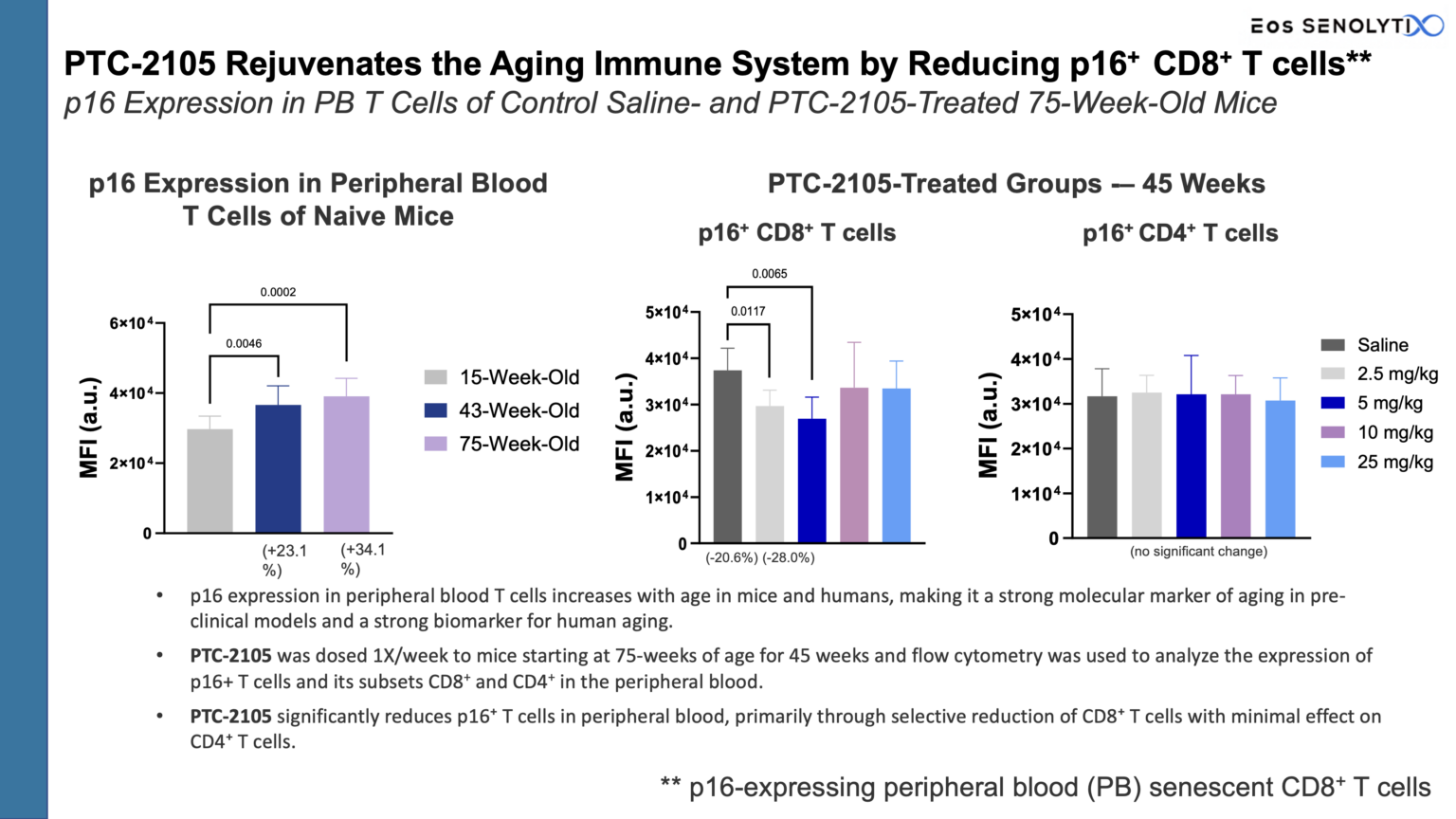
In naturally aged mice (75 weeks), treatment with PTC-2105 resulted in a statistically significant reduction in p16⁺ T cells following chronic dosing.
- p16 expression in peripheral blood T cells increases with age, establishing it as a robust biomarker of immune aging.
- In the SEL-041 study, naturally aged 75-week-old mice fed normal chow were treated with escalating doses of PTC-2105 (SC injections, 1X/week) or saline control for over one year.
- Treatment with PTC-2105 resulted in a statistically significant reduction in p16⁺ T cells following chronic dosing starting even at the lowest dose of 2.5 mg/kg.
- These results are consistent with a systemic reduction in senescent immune cells.
- The accumulation of senescent T cells is a central driver of chronic inflammation and immune dysfunction in aging. Demonstrating the ability to reduce this burden supports a mechanistically differentiated strategy, targeting aging biology directly, rather than downstream symptoms.
Reduction in Systemic Inflammation Leads to Tissue Remodeling
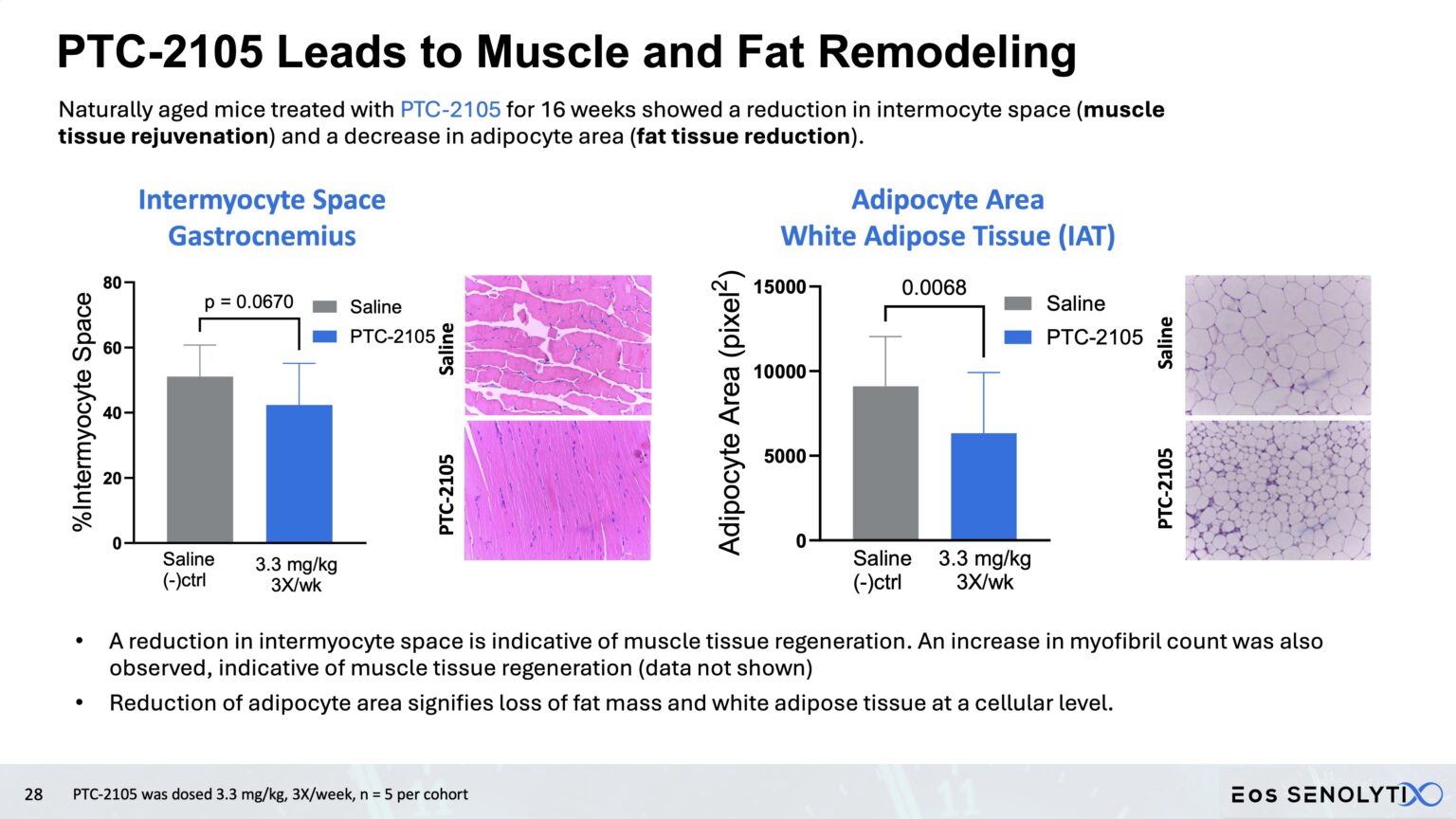
PTC-2105 leads to muscle and fat remodeling towards a younger phenotype.
- Naturally aged 75-week-old mice treated with PTC-2105 (SC injections 3.3 mg/kg, 3X/week, n = 5 per cohort) for 16 weeks showed a reduction in intermyocyte space (muscle tissue rejuvenation) and a decrease in adipocyte area (fat tissue reduction)
- A reduction in intermyocyte space is indicative of muscle tissue regeneration. An increase in myofibril count was also observed, indicative of muscle tissue regeneration (data not shown)
- Reduction of adipocyte area signifies loss of fat mass and white adipose tissue at a cellular level.
Body Composition: Loss of Fat and Increase in Lean Mass
Loss of lean body and bone mass has been the Achille’s Heel of current GLP-1/GIP agonists.
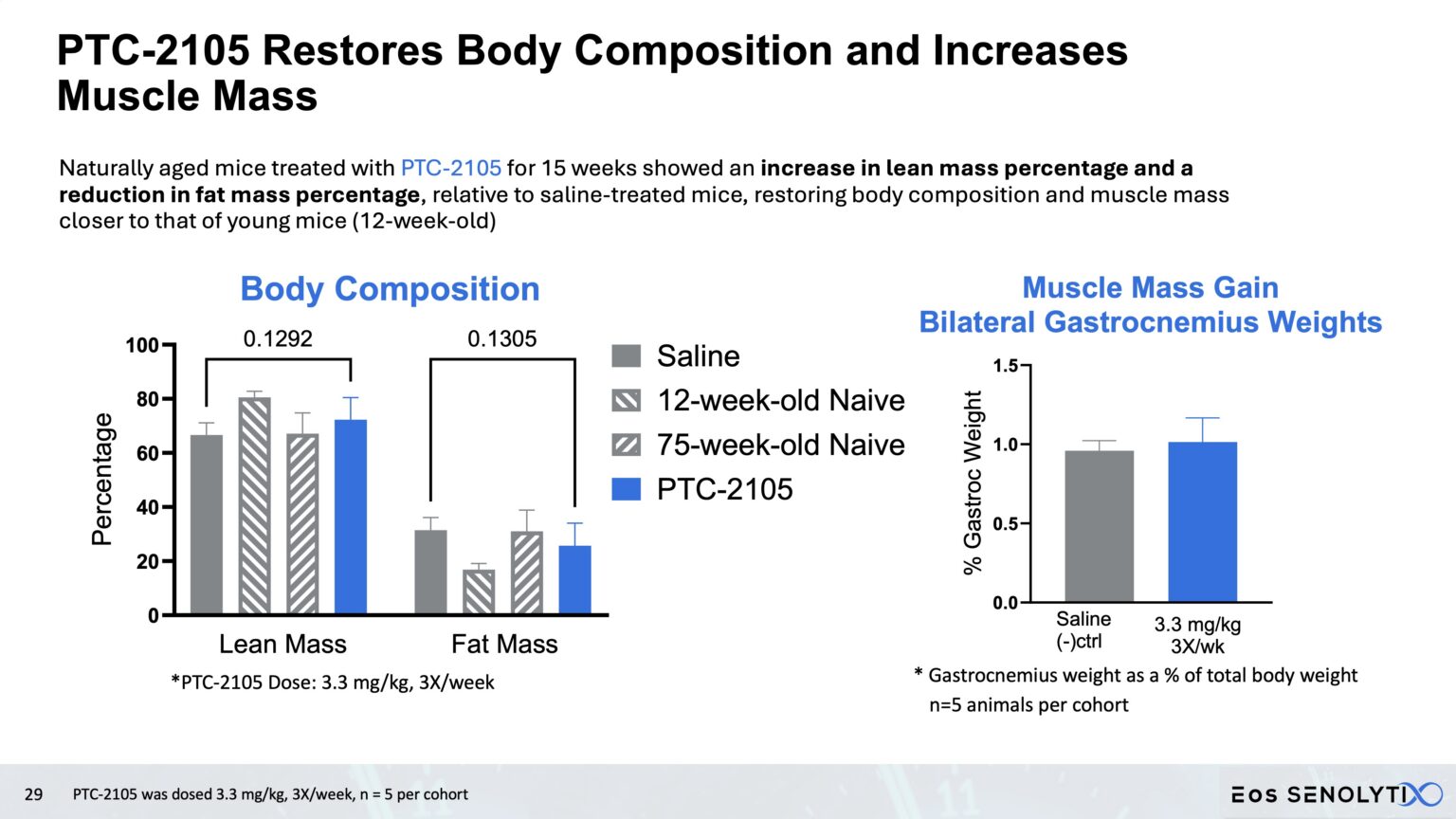
- Naturally aged 75-week-old mice treated with PTC-2105 (SC injection, 3.3 mg/kg, 3X/week, n = 5 per cohort), for 15 weeks and subjected to DEXA scan showed an increase in lean mass percentage and a reduction in fat mass percentage, relative to saline-treated mice, restoring body composition and muscle mass closer to that of young mice (12-week-old)
- The increase in lean mass percentage was confirmed by weighing the gastrocnemius muscles bilaterally at end of study necropsy
- PTC-2105 is now given SC once weekly with similar results.
PTC-2107 Also Leads to Body Composition Improvements
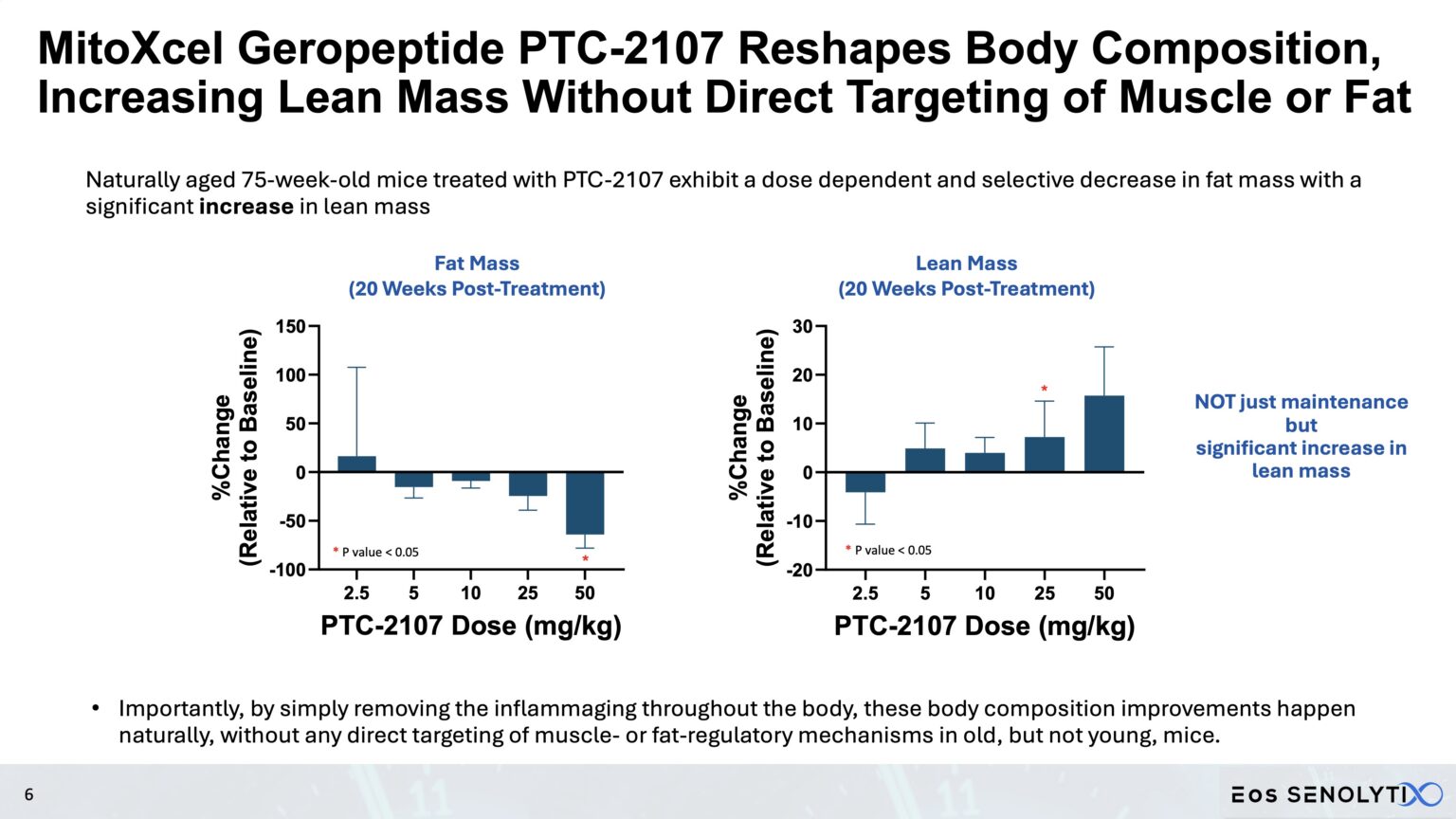
Because MitoXcel™ Technology is a class of peptides defined by the biophysical informational content of their amino acid sequences, both PTC-2105 (18 AA) and PTC-2107 (30 AA) demonstrate Mechanism 1 and 2 activities.
- PTC-2105, which is 18 AA in length, and PTC-2107, which is 30 AA in length, each with unique sequences, both demonstrate Mechanism 1 and 2 activities, because the key rules defining the MitoXcel™ class are not primarily dependent on geropeptide length.
- Naturally aged 75-week-old mice treated with PTC-2107 (SC injection, 2.5, 5, 10, 25, and 50 mg/kg, 3X/week, n = 5 per cohort), for 20 weeks and subjected to DEXA scan showed an increase in lean mass percentage and a reduction in fat mass percentage, relative to baseline, in a dose dependent manner.
- Like a true gerotherapeutic, MitoXcel™ geropeptides don’t target fat or muscle to achieve a healthier improvement in body composition, they simply target the underlying causes of aging via the mitochondria.
- Phenotypic healthspan improvements, like loss of fat and gain of muscle, along with many others that we have observed and documented, are simply the downstream effects that occur without any further intervention.
Weight Loss without Affecting Food Consumption
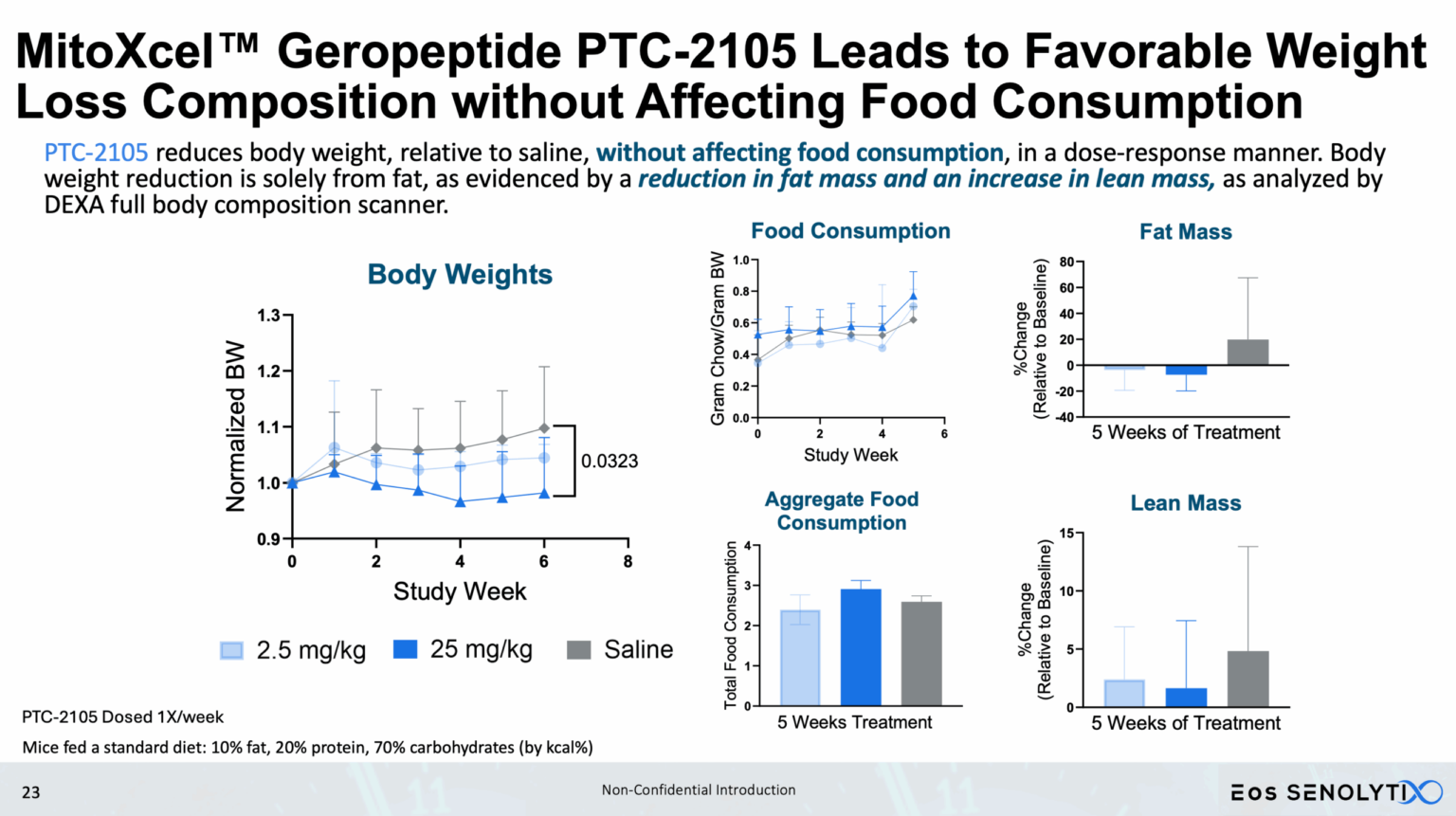
PTC-2105 reduces body weight, relative to saline, without affecting food consumption, in a dose-response manner.
- Naturally aged 75-week-old mice were treated with PTC-2105 dosed 1X/week, 2.5 and 25 mg/kg, n = 8-10 per cohort for 8 weeks. Mice were fed a standard diet of 10% fat, 20% protein, 70% carbohydrates (by kcal%). Food was weighed weekly.
- As expected, PTC-2105-treated mice lost body weight in a dose-dependent manner.
- Aggregate food consumption showed no statistically significant decrease.
- Body weight reduction is solely from fat, as evidenced by a reduction in fat mass and an increase in lean mass, as analyzed by DEXA full body composition scanner.
Synergy with Semaglutide via Mechanism 1
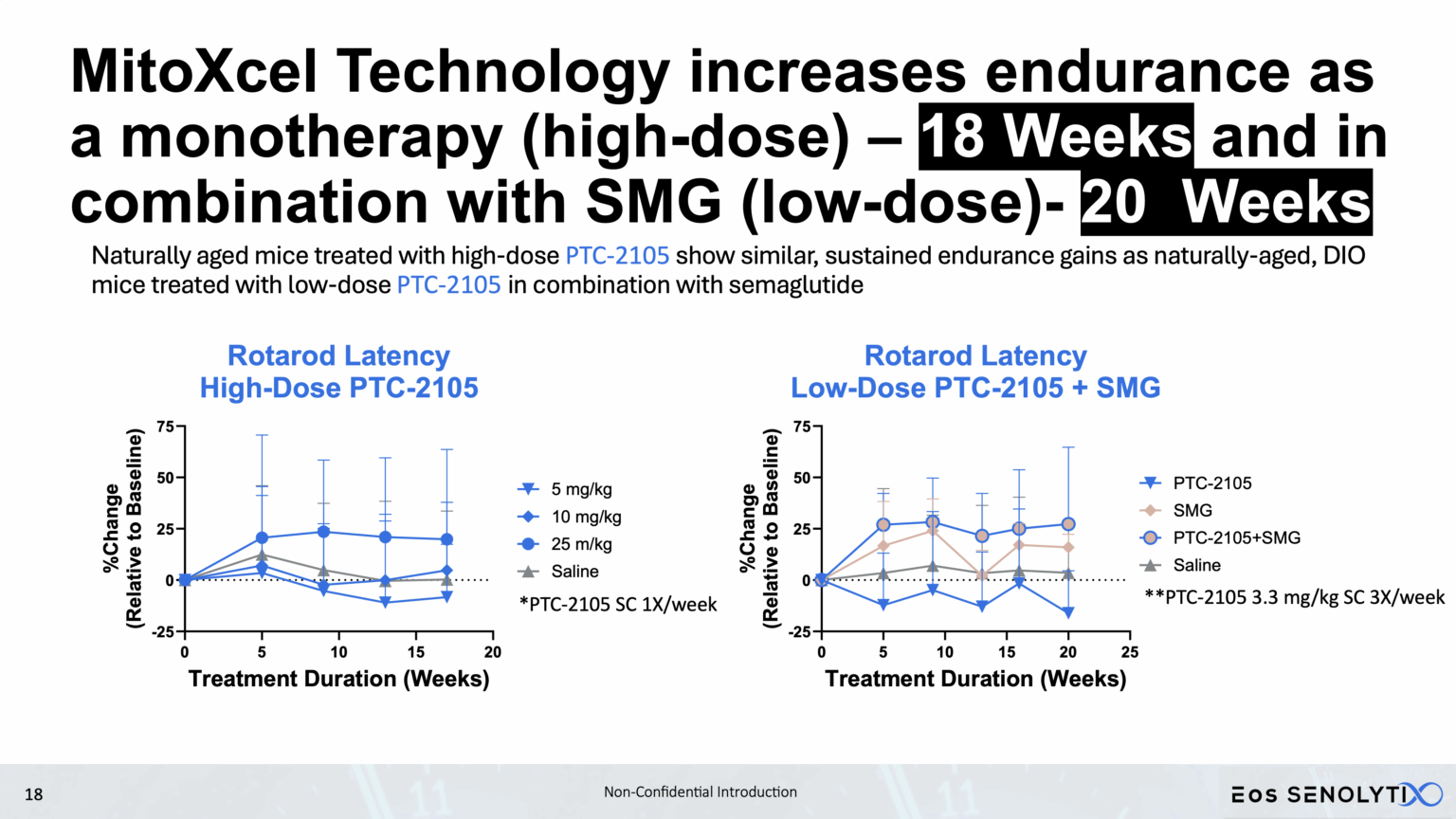
PTC-2105, both as monotherapy and in combination with semaglutide, yielded sustained exercise endurance gains compared to saline-treated controls when measured on the Rotarod, in as little as 5 weeks.
- PTC-2105 works synergistically with semaglutide (“SMG”), acting at the Inner Mitochondrial Membrane to increase the MMP (Δψm) that decreases with age in all living organisms.
- In addition to its activity against GLP-1, SMG also acts at the Inner Mitochondrial Membrane to slightly increase the MMP.
- Dramatic improvements in exercise capacity were observed, including reversal of the well-known decline seen with semaglutide treatment alone, in animals treated with PTC-2105 monotherapy at high dose (“HD”) and treated with PTC-2105 low dose in combination with SMG.
- PTC-2105 is now given SC once weekly with similar results.
Fixing the Lean Body Mass Defect Seen with GLP-1 Agonists
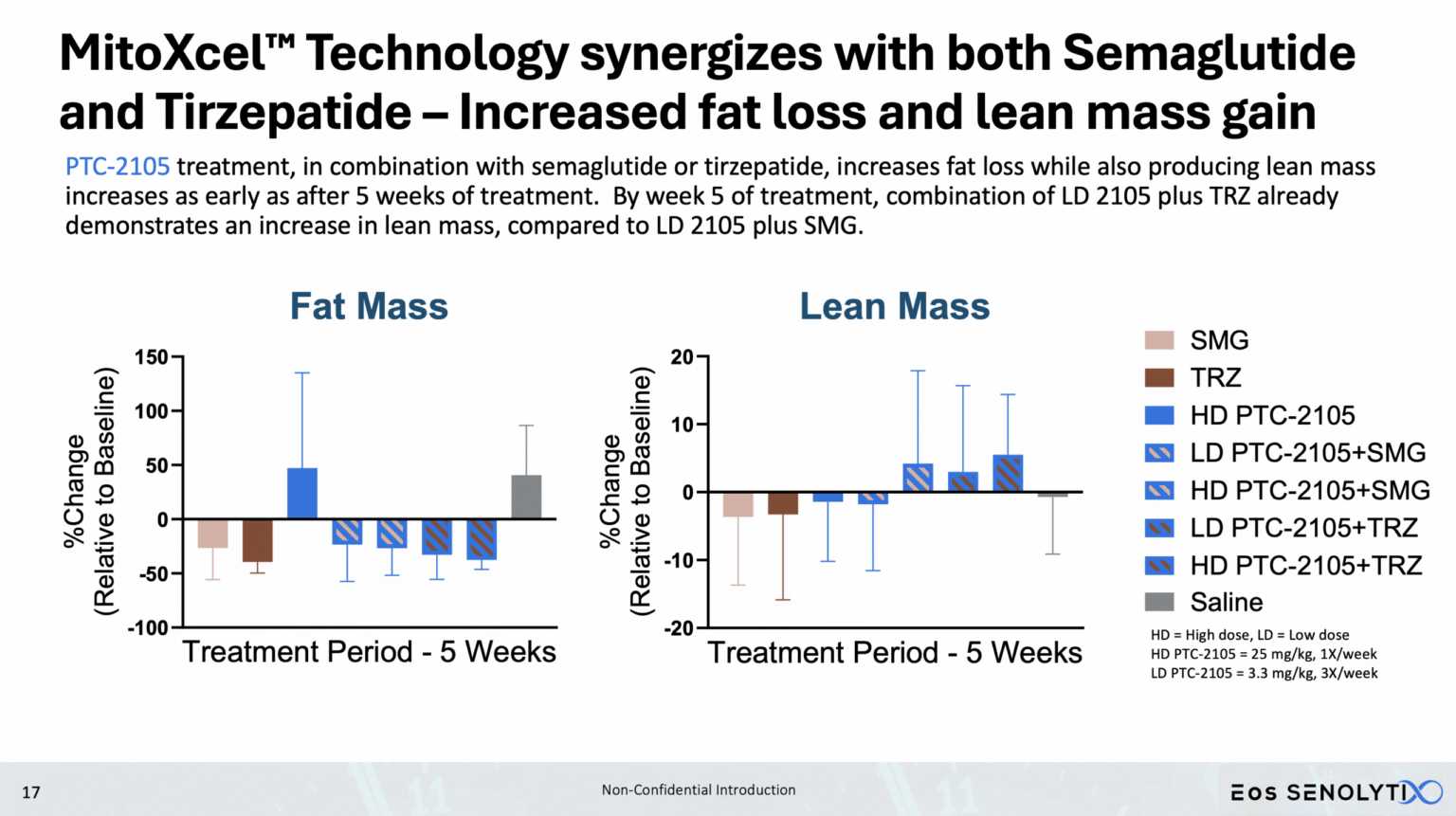
Both low and higher doses of PTC-2105, in combination with SMG, increase the body weight and % fat mass loss observed with SMG alone, and reverse the loss of lean body mass, flipping it into a gain.
- PTC-2105 treatment, as monotherapy and in combination with semaglutide or tirzepatide, increases fat loss while also producing lean mass increases as early as after 5 weeks of treatment.
- By week 5 of treatment, combination of LD 2105 plus TRZ already demonstrates an increase in lean mass, compared to LD 2105 plus SMG.
- PTC-2105 is now given SC once weekly with similar results.
Competitive Landscape
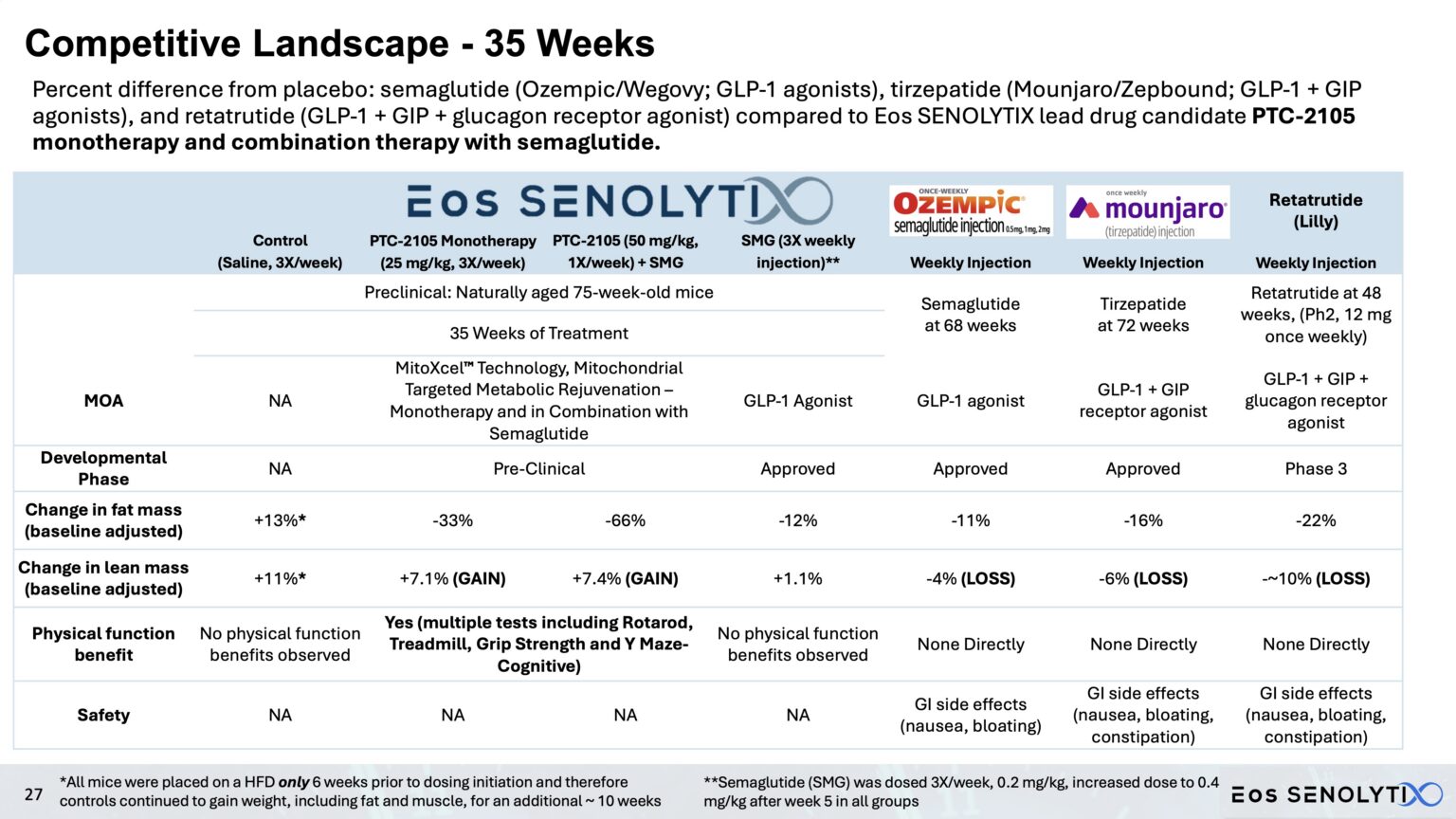
PTC-2105, both alone and in combination with GLP-1s, leads to a greater fat loss than any GLP-1 on the market or in clinical development.
- PTC-2105 monotherapy (SC injection, 25 mg/kg, 3X/week) treatment of 75-week-old naturally aged DIO-fed mice for 35 weeks led to a 33% loss of fat accompanied by a 7.1% gain of lean mass, for an overall weight loss of 25.9%
- Treatment with PTC-2105 in combination with semaglutide (SMG) in 75-week-old naturally aged DIO-fed mice for 35 weeks led to a 66% loss of fat accompanied by a 7.4% gain of lean mass, for an overall weight loss of 58.6%
- These results are best-in-class with respect to both overall weight loss and the quality of the resulting body composition as measured by DEXA scans in PTC-2105-treated animals compared to reported results for GLP-1s
- Patients on Retatrutide have a reported 32% total weight loss, comprised of a 22% loss of fat and a 10% loss of muscle at 48 weeks (Ph2, 12 mg once weekly).
- PTC-2105 is now given SC once weekly with similar results.
Oncopeptides Improve Overall Survival in an Aggressive B-ALL Tumor Model
MitoXcel™ Technology marks a potentially safe and effective new class of cancer therapeutics.
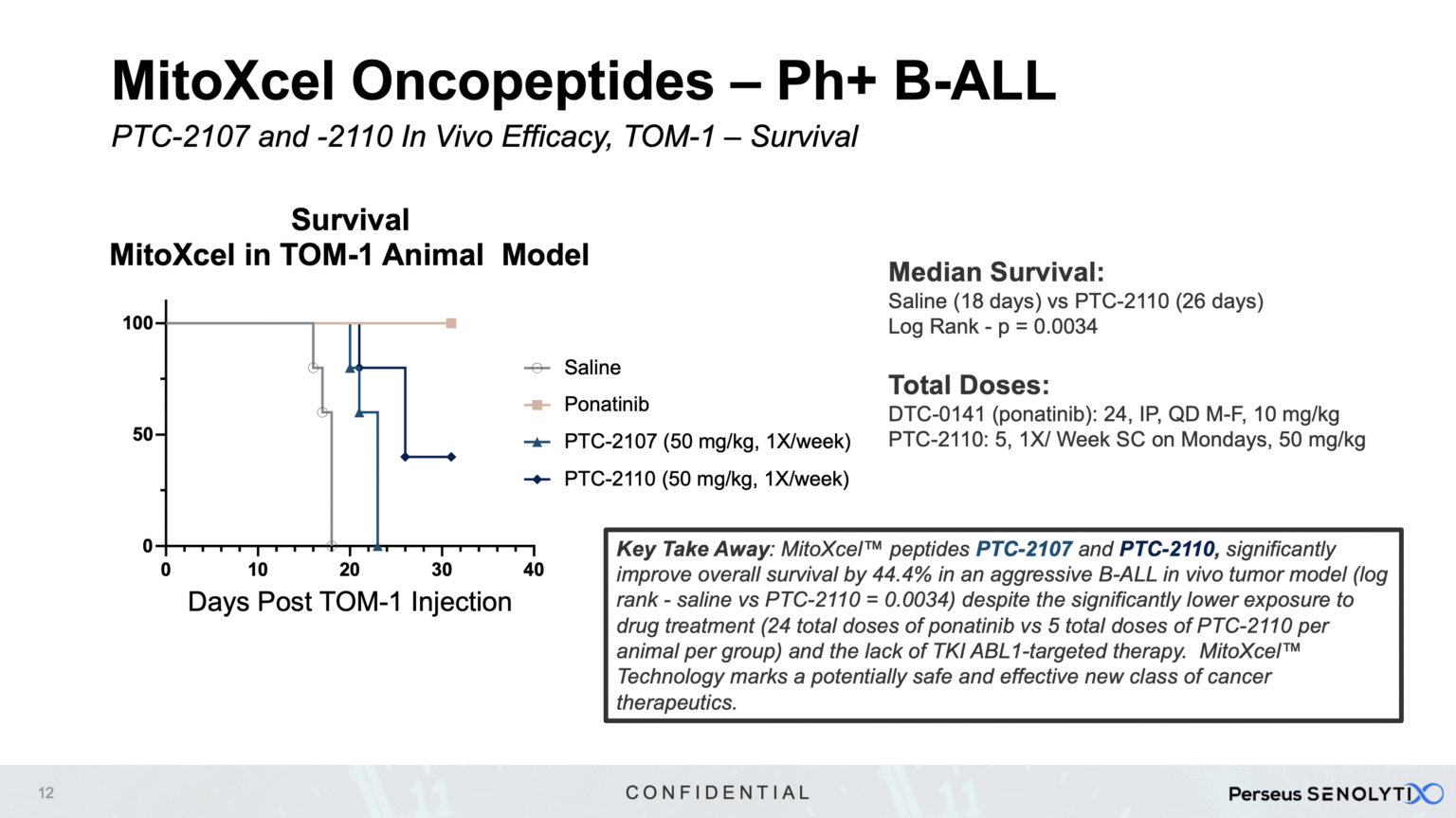
- MitoXcel™ geropeptide PTC-2107 (Eos SENOLYTIX) alone and oncopeptide PTC-2110 (Perseus SENOLYTIX), alone and in combination with Venetoclax, significantly improve overall survival in an aggressive B cell Acute Lymphoblastic Leukemia (“B-ALL”) in vivo tumor model, in which 750,000 TOM-1 cells, harboring both a wild type ABL1 and JAK2 V617F mutation, were injected into the tail veins of NSG mice, and treatment was begun 3 days later (log rank – saline vs PTC-2110 = 0.0034).
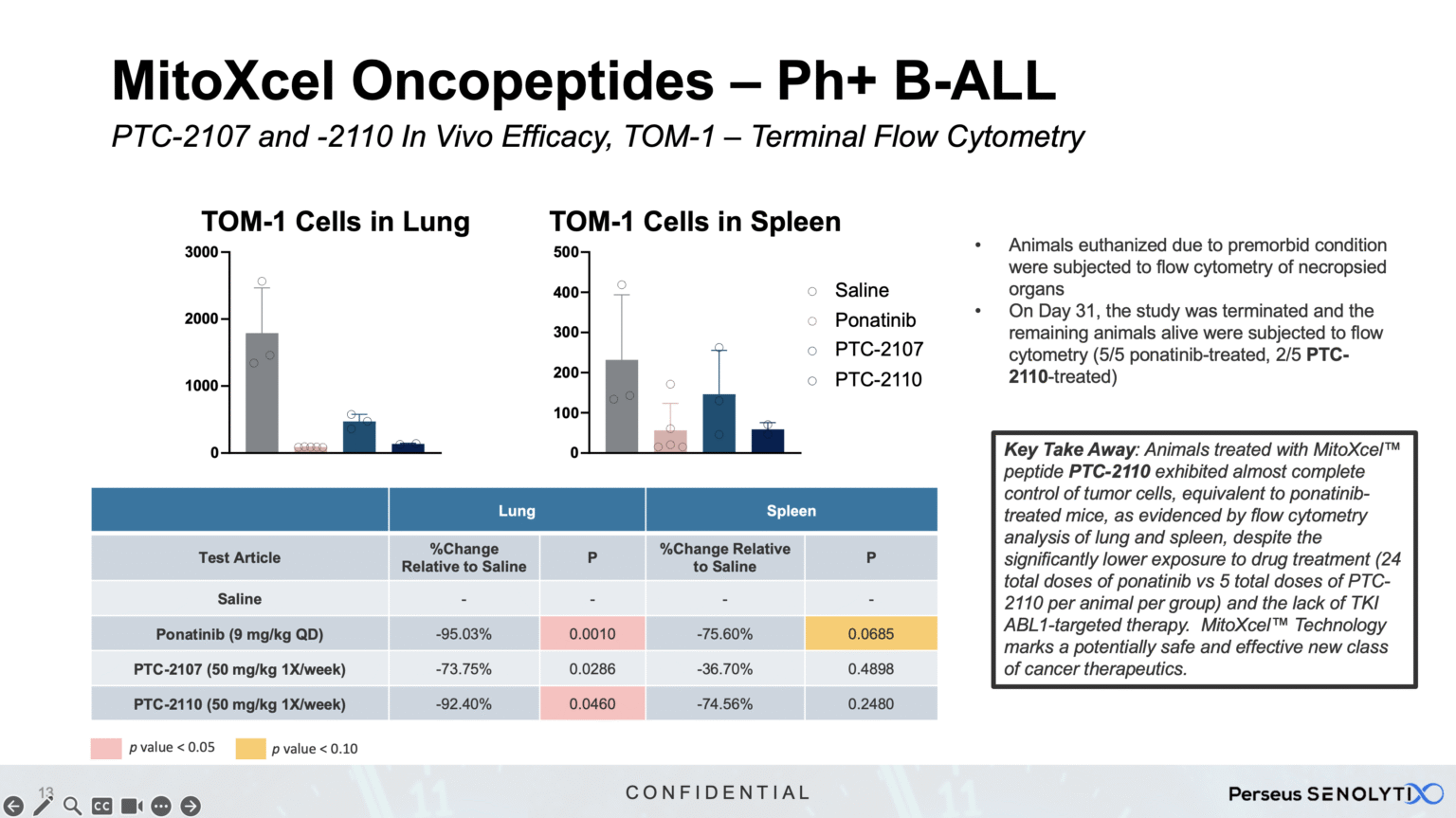
- In animals alive on Day 31, at End of Study, treatment with PTC-2110, alone and in combination with Venetoclax, exhibited almost complete control of tumor cells, equivalent to ponatinib-treated mice, as evidenced by flow cytometry of lung and spleen, despite the significantly lower exposure to drug treatment (24 vs 5 total doses per animal per group) and the absence of any ABL1-targeted TKI therapy in the PTC-2110-treated animals.
- MitoXcel™ Technology marks a potentially safe and effective new class of cancer therapeutics
Broad Effects Indicative of a Gerotherapeutic: Radiation Protection
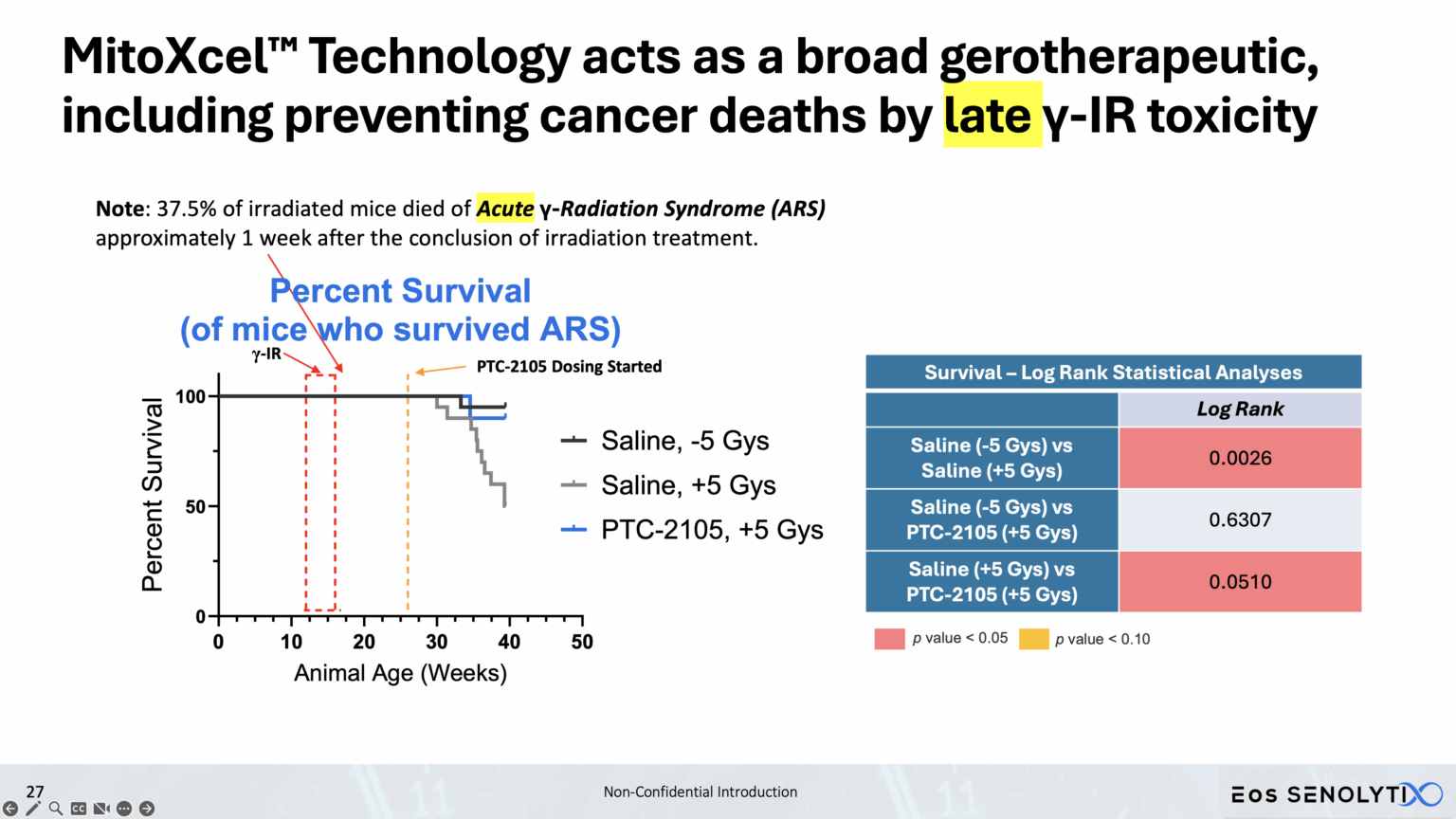
PTC-2105 significantly reduces death due to late radiation (“γ-IR”) toxicity compared to saline-treated γ-IR-controls.
- As expected from a true gerotherapeutic, we have also observed unexpected yet important beneficial effects of these peptides in other biological circumstances
- One such unexpected observation has been the protection of mice undergoing γ-IR from the lethal late radiation toxicity seen in Balb/c mice
- In preparation for an experiment (SEL-026 study), in order to accelerate senescent cell creation in young mice, we performed low dose gamma radiation (γ-IR, 5 Gy split over 9 doses) on 26 week old Balb/c mice
- This protocol has reliably led to increased senescent cell burden about 8 weeks after initiating γ-IR in C57Bl/6 mice. However, Balb/c mice turned out to be more sensitive to γ-IR than C57Bl/6 mice, and 37.5% of irradiated mice died of Acute Radiation Syndrome (ARS) approximately 1 week after the conclusion of irradiation treatment, from acute bone marrow failure.
- About 50 γ-IR survived and were treated with either PTC-2105 or saline as negative control.
- About 3 to 6 months later, these mice began to exhibit toxicity (e.g. weight loss) and death due to the effects of Late Radiation-Induced Toxicity (e.g. cardiac and GI toxicity, tumors).
- We unexpectedly observed protective effects from weight loss and death due to late radiation-induced toxicity in mice treated with PTC-2105 compared to saline treated γ-IR-treated controls (p=0.05)
- Radiation therapy, often used to treat cancer, generates Reactive Oxygen Species (ROS), which can damage the DNA of both cancerous and healthy cells. This damage can lead to cell death, which is beneficial for targeting tumors but can also harm normal tissues, resulting in toxicity.
- PTC-2105 targets the MMP, reducing ROS, and thereby potentially reducing early and later toxicity due to γ-IR.